Introduction
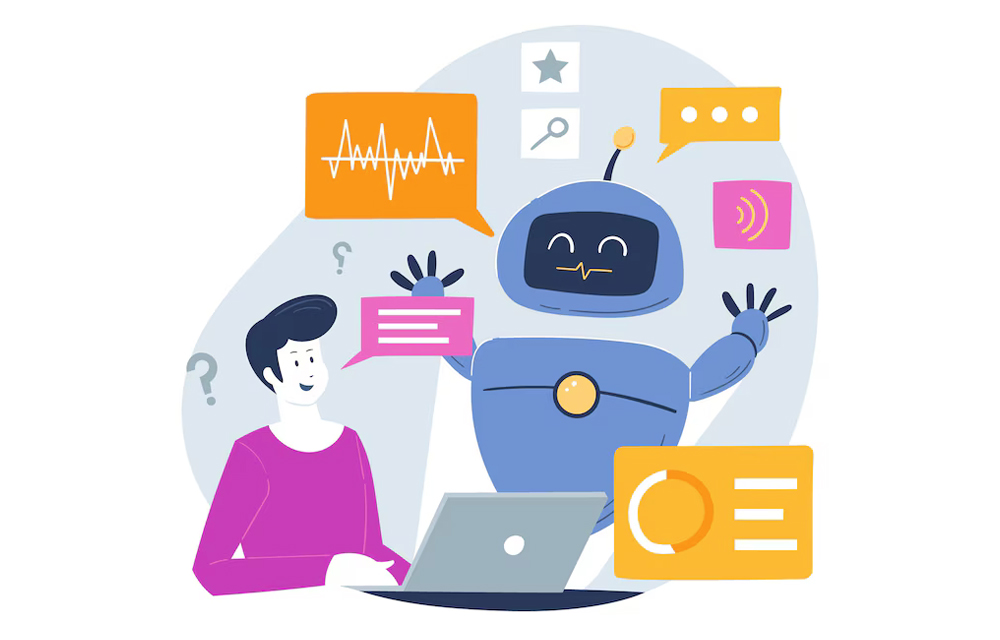
Artificial Intelligence (AI) is no longer a futuristic concept; it has seamlessly integrated into our everyday lives, revolutionizing various industries and transforming the way we interact with technology. Among the myriad applications of AI, virtual assistant tools stand out as one of the most popular and rapidly evolving technologies. From scheduling meetings and setting reminders to controlling smart home devices and providing real-time information. AI-powered virtual assistant tools have become indispensable for many.
The aim of this blog is to provide a balanced view of the impact of AI on virtual assistant tools. By understanding both the pros and cons, we can make informed decisions about how to integrate these powerful tools into our lives responsibly and effectively.
What is AI-powered Virtual Assistant Tools?
AI-powered Virtual assistant tools are software applications designed to perform tasks or services for an individual based on commands or questions. These tools leverage advanced technologies such as Natural Language Processing (NLP), Machine Learning (ML), and voice recognition to interact with users in a conversational manner, making them intuitive and user-friendly.
Evolution of Virtual Assistant Tools
The evolution of virtual assistants took a major leap forward with the advent of the internet and the proliferation of mobile devices. In 2011, Apple launched Siri, the first mainstream virtual assistant integrated into smartphones. Siri's ability to understand and respond to voice commands marked a significant milestone in AI development. Following Siri's success, other tech giants entered the fray, launching their own virtual assistants:
- Google Assistant (2016): Building on the capabilities of Google Now, Google Assistant introduced a more conversational interface and greater integration with Google's ecosystem of services.
- Amazon Alexa (2014): Initially tied to the Amazon Echo smart speaker, Alexa expanded rapidly, becoming a central hub for controlling smart home devices and integrating with various third-party services.
- Microsoft Cortana (2014): Named after the AI character in the popular video game series Halo, Cortana was integrated into Windows 10 and offered functionalities like those of its competitors.
- Samsung Bixby (2017): Aimed at enhancing the user experience on Samsung devices, Bixby provided deep integration with Samsung's ecosystem and supported advanced features like visual recognition.
Functionality and Features
Modern virtual assistants come equipped with a variety of functionalities aimed at streamlining daily tasks and boosting efficiency. Here are some of the key features they offer:
- Voice Interaction: Users can give commands and ask questions using natural language, making it easy to interact with the assistant without needing to use their hands.
- Customization: These assistants adapt to individual users by learning from their interactions, which helps in providing personalized responses and suggestions based on user preferences and past activities.
- Task Coordination: Virtual assistants are adept at managing schedules, setting reminders, sending messages, and making calls, which helps users stay organized and productive.
- Information Access: They can quickly fetch information from the internet, such as weather updates, nearby restaurants, or answers to general questions.
- Home Automation: Integration with smart home devices allows users to control lights, thermostats, security systems and more from a single interface.
- Entertainment Management: Virtual assistants can play music, podcasts and audiobooks, as well as manage media playback on connected devices.
- Online Shopping: Assistants like Amazon's Alexa can facilitate online shopping by allowing users to order products and track deliveries using voice commands.
The Role of AI in Virtual Assistant Tools
- AI is the driving force behind the capabilities of modern virtual assistants, enabling them to understand, learn and respond to user commands in a way that feels natural and intuitive. The integration of various AI technologies has transformed virtual assistants from simple voice-activated tools into intelligent companions capable of performing complex tasks and continually improving their performance.
Key AI Technologies in Virtual Assistants
1. Natural
Language Processing (NLP)
Understanding Human Language: NLP
allows virtual assistants to comprehend and interpret human language, making it
possible for users to interact with them using natural, conversational speech.
This involves breaking down sentences into their components (syntax) and
understanding the meaning (semantics).
Contextual Awareness: Advanced
NLP enables virtual assistants to grasp the context of a conversation, allowing
for more accurate and relevant responses.
2. Machine
Learning (ML)
Continuous Improvement: ML
enables virtual assistants to improve their performance over time by analyzing
user feedback and interactions. They can adapt to new commands, recognize
speech patterns and better understand user intents, leading to enhanced
accuracy and efficiency.
3. Voice
Recognition
Speech-to-Text Conversion: Voice
recognition technology converts spoken words into text, enabling virtual
assistants to process and respond to voice commands. This involves identifying
the speaker's voice, accent and tone, ensuring accurate transcription.
Voice Biometrics: Some
virtual assistants use voice biometrics to recognize individual users,
providing a personalized experience and enhancing security. This technology can
distinguish between different voices, allowing for user-specific responses and
actions.
How AI Enhances Virtual Assistants
1. Improved
Understanding of User Commands
AI enables virtual assistants to accurately
interpret and execute a wide range of commands, from simple requests like setting
alarms to more complex tasks like managing schedules or controlling smart home
devices.
With NLP, virtual assistants can
understand variations in phrasing and syntax, making interactions more natural
and user-friendly.
2. Personalized
Responses and Actions
By leveraging ML, virtual assistants can
learn from user behaviour and preferences, offering tailored suggestions and
actions. For example, if a user frequently asks for news updates at a specific
time, the assistant can proactively provide this information.
Personalization extends to recommendations
for music, restaurants, travel routes and more, enhancing the overall user experience.
3. Seamless
Integration with Other Technologies
AI allows virtual assistants to integrate
with a wide range of devices and services, creating a cohesive and
interconnected ecosystem. For instance, they can synchronize with calendars,
emails, smart home devices and third-party apps.
This integration enables users to perform
multiple tasks through a single interface, streamlining their daily routines
and increasing efficiency.
4. Adaptive
Learning and Context Awareness
Virtual assistants equipped with AI can adapt to new
information and contexts, providing more accurate and relevant responses. They
can recognize patterns in user interactions and adjust their behaviour
accordingly.
Context questions and virtual
assistants to maintain coherent conversations, understand follow-up questions
and provide information that is relevant to the current topic.
Balancing the Pros and Cons
While AI-powered virtual assistants offer a multitude of
benefits, they also come with certain drawbacks that need to be carefully
managed. To maximize the advantages while mitigating the potential downsides,
it is crucial to adopt strategies that ensure responsible usage, enhance
security and promote ethical considerations.
Mitigating the Cons
- Privacy
Concerns
Data Transparency: Companies
should be transparent about what data is collected, how it is used and with
whom it is shared. Users should have access to clear privacy policies and the
ability to manage their data preferences.
User Control: Provide
users with robust settings to control their data, including options to review,
delete and opt-out of data collection. Virtual assistants should have easily
accessible privacy controls.
Minimal Data Collection: Implement
practices that minimize the amount of data collected. For example, data should
only be collected when necessary for the functionality of the assistant and
sensitive information should be anonymized whenever possible.
- Security
Risks
Strong Encryption: Ensure
that all data transmissions between the virtual assistant and other devices or
servers are encrypted to protect against eavesdropping and data breaches.
Regular Updates: Keep
virtual assistant software up to date with the latest security patches and
enhancements to guard against vulnerabilities.
Authentication Mechanisms: Use
multi-factor authentication and voice biometrics to verify user identity,
preventing unauthorized access to sensitive information and functions.
- Dependence
on Technology
Balanced Usage: Encourage
users to balance their use of virtual assistants with other methods of task
management and communication to avoid over-dependence.
Skill Development: Promote
the development of traditional skills and problem-solving abilities alongside
the use of virtual assistants to ensure users do not lose their ability to
perform tasks independently.
Educational Resources: Provide
resources and guidance on the best practices for integrating virtual assistants
into daily life without becoming overly reliant on them.
- Limitations
in Understanding Context
Continuous Improvement: Invest
in research and development to enhance the AI’s ability to understand context
and handle complex queries. This includes better handling of ambiguous commands
and improving contextual awareness.
Human Oversight: Implement
mechanisms for human oversight in situations where the virtual assistant’s
understanding may fall short.
User Feedback: Create
channels for users to provide feedback on the virtual assistant’s performance,
helping developers identify and address areas where the AI’s understanding is
lacking.
- Accessibility
and Inclusivity Issues
Language and Accent Recognition: Develop
and improve language models to support a wider range of languages, dialects and
accents, ensuring that virtual assistants are accessible to a global audience.
Inclusive Design: Design
virtual assistants with accessibility features such as screen readers, voice
commands and text-to-speech options to accommodate users with disabilities.
User Testing: Conduct
extensive user testing with diverse groups to identify and address
accessibility barriers, ensuring that the virtual assistant is user-friendly
for all individuals.

Ethical Considerations and Regulations
1.Ethical AI Development
Bias Mitigation: Actively work to identify and
eliminate biases in AI algorithms to ensure fair and equitable treatment of all
users.
Responsible AI Practices: Follow ethical
guidelines and best practices for AI development, prioritizing user safety,
privacy and well-being.
2.Regulatory Compliance
Adherence to Laws: Ensure compliance with
relevant data protection and privacy laws, such as GDPR in Europe or CCPA in California, to protect
user rights.
Advocacy for Regulations: Advocate for the
development of comprehensive regulations that govern the ethical use of AI in
virtual assistants, ensuring industry-wide standards are upheld.
3.User Awareness and Education
Transparency and Consent: Provide clear and
concise information about data practices and obtain informed consent from
users, fostering trust and transparency.
Educational Campaigns: Conduct educational
campaigns to inform users about the benefits and risks of using virtual
assistants, empowering them to make informed decisions.
Conclusion
The impact of AI on virtual assistant tools has been
transformative, bringing about significant enhancements in user experience,
productivity and the seamless integration of smart technologies into our daily
lives. As AI continues to evolve, virtual assistants are poised to become even
more integral to our lives, offering ever-greater convenience and efficiency.
Posts you might also like...
Jun 24, 2025
Virtual Admin
Maximize Efficiency: Leverage a Virtual Project Manager
Is your team facing challenges with project delays, missed deadlines, and overwhelming administrative tasks? In today's fast-paced business environment, these issues can strain resources and lead to burnout among team members, ultimately hindering progress.
Sep 30, 2024
Virtual Admin
Beyond Task Management: Unlocking the Full Potential of Virtual Assistants
As businesses continue to adapt to the fast-paced digital landscape, the demand for virtual assistants has skyrocketed. While many people associate virtual assistants with basic task management—like scheduling appointments and handling emails—they can offer much more than that.
Sep 30, 2024
Virtual Admin
How to Ensure Data Security in Outsourcing?
In today’s interconnected business landscape, outsourcing has become essential for many organizations seeking efficiency and cost savings. However, this practice also introduces significant data security risks.